

Varietal Characteristics
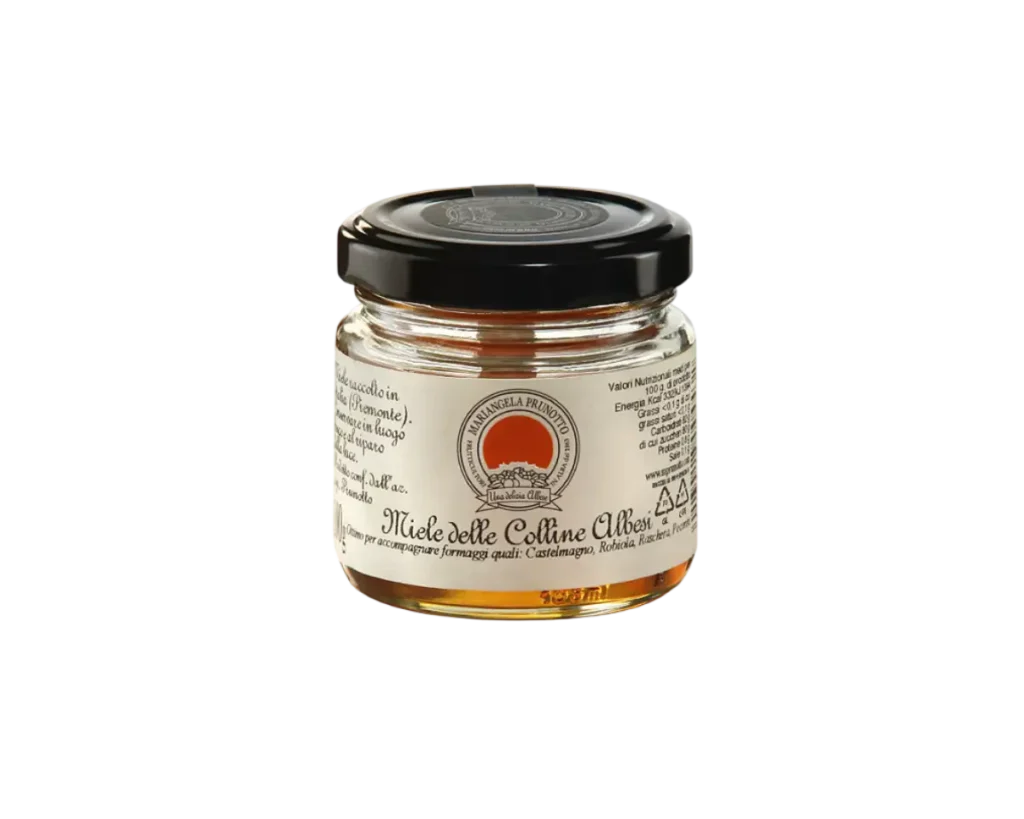
Honey from the Alba hills is obtained from the nectar of the flowers of Castanea sativa, a tree native to southern Europe and widespread in the Italian hillside woods, particularly in the Roero and Langhe areas. It is a deciduous plant belonging to the Fagaceae family, cultivated for centuries for its wood, fruit and, more recently, for its important beekeeping value.
Chestnut woods are often tended by humans, easily accessible and located on gently sloping terrain. Some chestnut trees are centuries old and recognised as “monumental trees” for their historical and landscape significance.
From a beekeeping point of view, chestnut honey is known for its dark, almost amber colour, slow crystallisation and intense aroma, with woody and undergrowth notes. It has a strong flavour, with a typical bitter note, and its composition is particularly rich in mineral salts. The honey can vary slightly in colour and flavour depending on the ratio of nectar to honeydew present in the harvest.
It is a robust honey, loved by those who seek intense and natural flavours, and is one of the most characteristic varieties in Italian beekeeping.